Picking out the right Inertial Nav System isn't just a technical decision—it can be a game-changer across various industries. Did you know that market reports are predicting the demand for these systems will hit around $16.78 billion by 2025? That's a hefty growth of over 7% each year! This boom is mainly thanks to tech getting better all the time, plus the ever-growing need for pinpoint accurate positioning—think aerospace, maritime, and autonomous vehicles.
But here’s the thing: understanding exactly what your application needs is super important. Different systems come with their own specs—things like drift rate, size, and how much power they use. For example, a report from MarketsandMarkets points out that MEMS gyroscopes and accelerometers are getting pretty popular because they’re small and reliable. Still, not all systems work equally well, and picking the wrong one could cause some serious headaches—and yes, financial losses too.
When you’re investing in an Inertial Navigation System, you’ve gotta think about stuff like environmental conditions and whether it’ll play nice with your existing setup. Big names like Honeywell and Northrop Grumman are definitely industry leaders, but their products might not be perfect for everyone. Finding that sweet spot between top-notch performance and reasonable cost really means doing your homework. So, it’s a good idea to chat with folks who really know their stuff and have industry experience. Trust me, a little expert advice can go a long way in making sure you choose the right system for your needs.
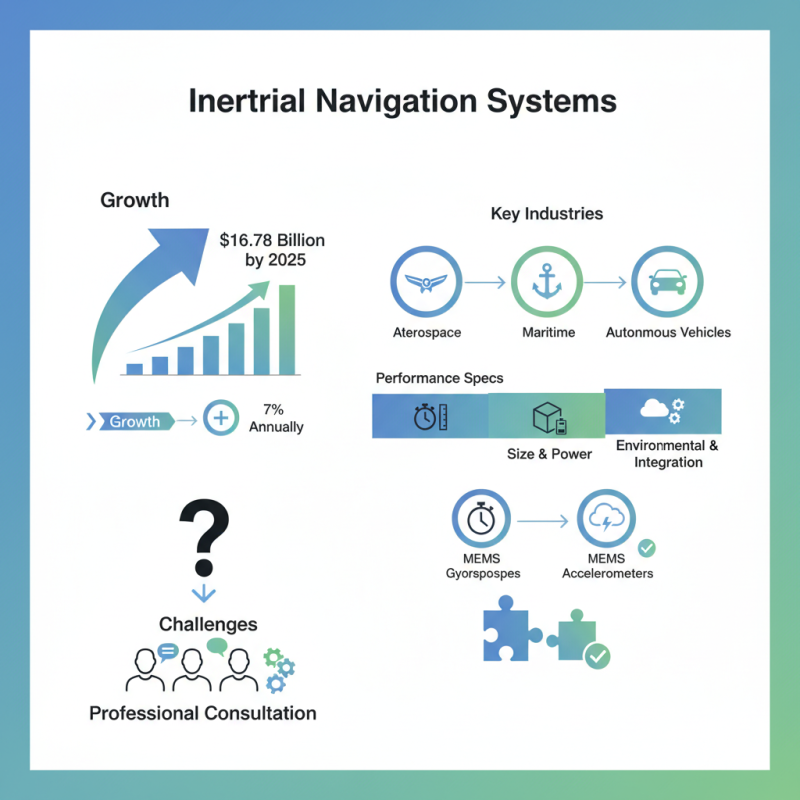
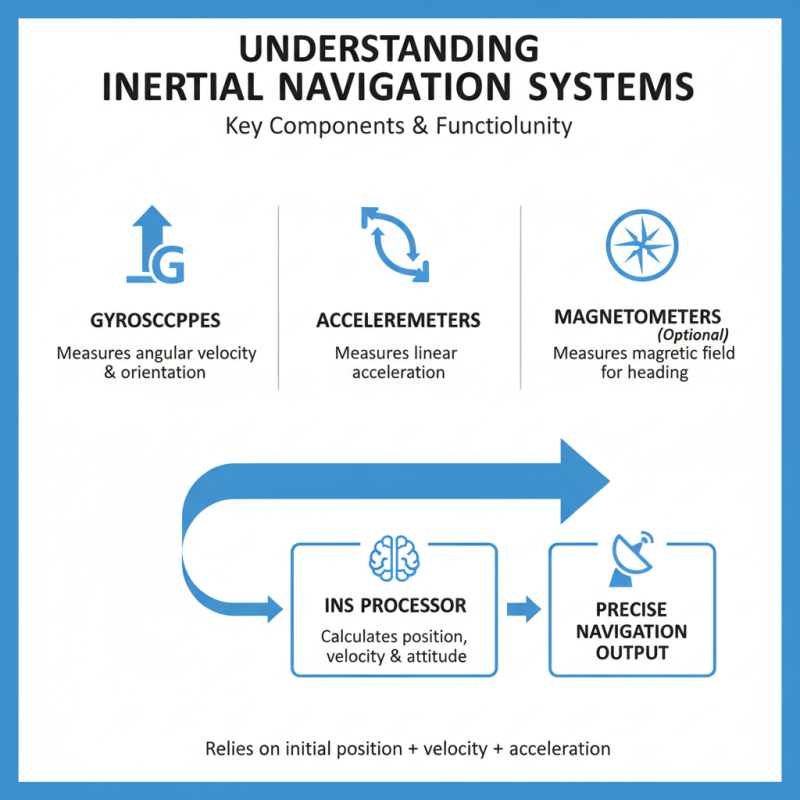
Understanding Inertial Navigation Systems: Key Components and Functionality
Inertial navigation systems (INS) have gained prominence in various industries, including aerospace and robotics. An INS relies on a combination of sensors to calculate the position of an object based on its initial position, velocity, and acceleration. Key components include accelerometers, gyroscopes, and sometimes magnetometers. Each of these plays a crucial role in gathering data for precise navigation.
Accelerometers measure linear acceleration, while gyroscopes track rotational movement. Together, they help determine the change in position over time. Interestingly, a recent report by the Aerospace Industries Association revealed that the inertial navigation market is projected to grow by 7.6% annually through 2025, indicating a rising reliance on these systems.
When selecting an inertial nav system, consider your specific needs. Look for systems that offer high sensitivity and low drift over time. It's essential to assess the accuracy of the sensors, as these directly impact navigation performance.
Tip: Always check calibration features. Regular calibration can significantly improve performance and reliability.
Even with advancements, challenges remain. Environmental factors can introduce errors in data collection. Understanding these limitations helps in making informed decisions when choosing an inertial navigation system.
Tip: Conduct field tests to validate system performance under varying conditions. This will ensure the system meets your operational requirements.
Identifying Your Specific Application Needs for Navigation Systems
Choosing the right inertial navigation system involves understanding your specific application needs. Start by clarifying the environment where the navigation system will be used. Will it operate in a stable atmosphere or rugged terrain? Gather insights from existing use cases. Each environment poses unique challenges that affect accuracy and reliability.
Next, consider the scale of your project. Are you implementing this system for a small drone or a large vessel? The size dictates the complexity and features required. Different systems provide varying levels of precision. A small-scale application may manage with simpler technology, while larger projects demand advanced features.
Reflect on integration and compatibility issues. What other systems will your inertial navigation unit work with? Compatibility ensures seamless operation. Lack of integration can hamper performance and lead to increased costs. Think about future needs too. Will your system be scalable?
Choosing a system that evolves with your needs is crucial. This thoughtful consideration can prevent costly redesigns down the line.
Evaluating Different Types of Inertial Navigation Systems Available
Inertial Navigation systems (INS) are critical for various applications, from aviation to autonomous vehicles. However, the choice of the right system can be challenging. Different types of inertial nav systems vary in accuracy, size, and cost. For instance, micro-electromechanical systems (MEMS) are compact and less expensive but may deliver lower precision compared to fiber-optic gyros (FOGs) or ring laser gyros (RLGs).
A 2022 market report highlighted that MEMS navigational devices hold about 40% of the market share due to their affordability. Meanwhile, FOGs, though pricier, provide superior performance in demanding conditions. Users must assess their specific needs. High-speed applications often require enhanced precision, leaning towards FOGs or RLGs. On the other hand, for less critical tasks, MEMS systems might suffice.
It is essential to address potential pitfalls. Many users overestimate the capabilities of low-cost inertial nav systems. Temperature fluctuations and mechanical vibrations can significantly impact performance. Additionally, data from a 2021 aerospace study indicated that systems not regularly calibrated can lead to navigation errors exceeding 10%. Understanding these factors will help users make informed decisions when choosing an inertial navigation system.
How to Choose the Right Inertial Nav System for Your Needs?
| Type |
Key Features |
Applications |
Cost Range |
| Micro Inertial Navigation System |
Compact size, low power consumption, embedded sensors |
Drones, mobile devices, robotics |
$500 - $2000 |
| Navigation-grade Inertial System |
High accuracy, stabilization capabilities, larger sensors |
Aerospace, marine navigation, autonomous vehicles |
$10,000 - $50,000 |
| Tactical-grade Inertial System |
Robust performance, high reliability, shock resistance |
Military, geophysical surveying, precision agriculture |
$20,000 - $100,000 |
| Strategic-grade Inertial System |
Ultra-high precision, advanced algorithms, extensive motion range |
Space exploration, high-end military applications |
$100,000+ |
Comparing Accuracy, Cost, and Performance of Inertial Nav Systems
Choosing the right inertial nav system requires understanding key factors.
Accuracy is paramount for navigation tasks. Systems vary widely in precision.
Some models can measure changes within centimeters, while others might have larger deviations.
This distinction dramatically affects the outcome of your navigation efforts.
Cost plays a critical role too.
High-accuracy systems often come with a hefty price tag.
It’s important to weigh the financial impact against the value of increased precision.
An affordable option may serve well for less demanding applications, but compromises in performance might lead to larger errors.
Performance encompasses more than just accuracy.
It includes factors like response time and stability under various conditions.
Some Inertial System Units excel in dynamic environments, while others falter.
Reflect on your specific needs.
Is cost more important than precision?
Can your project tolerate slight inaccuracies?
Understanding these trade-offs is essential for making an informed decision.
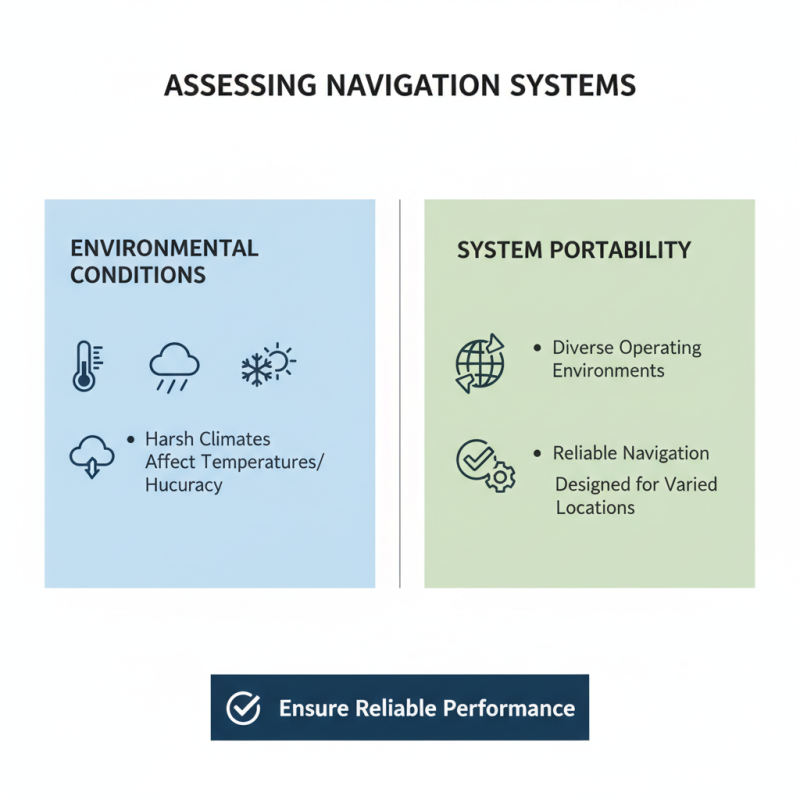
Assessing Environmental Conditions and System Portability Requirements
When evaluating an inertial navigation system, consider the environmental conditions where it will be used. Systems may perform differently in harsh climates. For example, extreme temperatures or humidity can affect sensor accuracy. Understanding these factors can help ensure reliable navigation.
**Tip:** Always test your system in controlled conditions. This helps identify potential issues before deployment.
Portability is another crucial factor. Systems that need to be transported often should be lightweight and compact. Sometimes, robustness may be sacrificed for portability. Consider how much weight you and your team can manage effectively in the field.
**Tip:** Evaluate how easy it is to set up your system in varying locations. Convenience can save time and reduce frustration.
Choosing the right inertial navigation system involves balancing these aspects. Non-optimal choices may lead to operational challenges. Reflect on your specific needs throughout the selection process.
Examining Integration Capabilities with Other Navigation Technologies
When selecting an Inertial Sensor System, integration capabilities are crucial. Compatibility with GPS, GLONASS, and other technologies significantly enhances performance. According to a 2022 industry report, systems that integrate inertial navigation with GPS can improve positional accuracy by up to 30%. This synergy is vital for applications like autonomous vehicles and drones.
The choice of an inertial navigation system can greatly impact operational efficiency. Some systems may provide better fusion with environmental sensors, while others excel with satellite communications. A 2023 analytical study highlighted that 65% of organizations find integration with existing systems challenging. This indicates the need for thorough compatibility assessments before making a decision.
Not every inertial sensor is the same. Certain systems may require extensive recalibration for proper integration, highlighting a potential drawback. It’s important to evaluate user experiences and industry feedback. Real-world testing often reveals flaws in theoretical models, prompting reevaluation of initial choices. Understanding these intricacies leads to better-informed decisions in navigating through the complexities of inertial navigation technology.
Integration Capabilities of Inertial Navigation Systems
This chart illustrates the integration capabilities of different inertial navigation systems with other navigation technologies, such as GPS, LIDAR, and computer vision, across various applications.
Reviewing Manufacturer Support and Warranty Considerations
When selecting an Inertial Guidance System, it's essential to consider manufacturer support and warranty options. A robust support network can greatly enhance your experience. Reliable manufacturers often provide comprehensive technical assistance. This can be crucial when issues arise. Prompt responses can minimize downtime.
When evaluating warranty terms, look for the duration and coverage specifics. A longer warranty often indicates manufacturer confidence. Ensure it addresses parts, labor, and potential defects. Some manufacturers offer extended warranties for an additional fee. This could be a worthwhile investment for high-stakes operations.
Tips to keep in mind:
- Ask about support response times.
- Knowing how quickly help is available is important.
- Check online reviews for user experiences related to support.
- This provides insights into the manufacturer’s reliability.
- Lastly, don’t hesitate to seek clarity on warranty clauses.
Understanding these details could save future headaches. Remember, the right support and warranty can make a significant difference in your Inertial Nav System experience.
Enhancing Maritime Operations: The Impact of DIVER 101 Vessel-mounted Communication & Positioning System on Efficiency and Safety as Highlighted by Recent Industry Reports
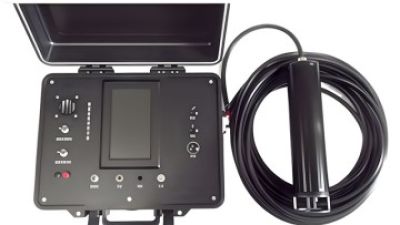
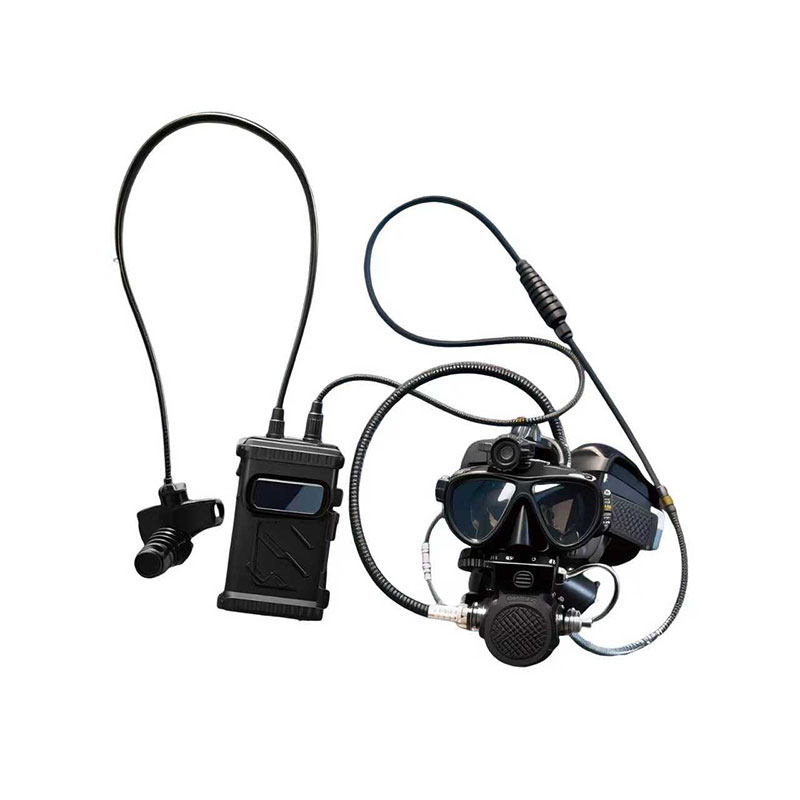
The recent developments in vessel-mounted communication and positioning systems, like the innovative tools used in underwater operations, are significantly enhancing efficiency and safety in maritime activities. The DIVER 101 system exemplifies this advancement by providing real-time location data that connects divers, command vessels, and team members. This seamless flow of information is crucial for ensuring that missions are coordinated, and personnel are kept safe while engaged in subaquatic tasks.
By acting as a core command hub, the DIVER 101 system allows teams to operate with a heightened sense of awareness and coordination. It transforms traditional amphibious operations into highly organized and efficient ventures by eliminating communication gaps and providing accurate positioning information. As highlighted in recent industry reports, the ability to track divers and vessels in real-time not only enhances operational effectiveness but also plays a vital role in protecting personnel, which is paramount in high-risk environments.
Overall, the integration of advanced communication and positioning systems signifies a monumental shift in the way maritime operations are conducted. It not only optimizes the workflow of underwater missions but also elevates safety standards by ensuring that every team member is accounted for and informed throughout the operation. As the industry continues to embrace such technological advancements, the future of maritime operations looks increasingly promising.
FAQS
: Start with your application needs. Assess the operational environment, like stable atmospheres vs. rugged terrains.
The project size matters. Small drones may need simpler technology; larger vessels require advanced features and precision.
Compatibility with other systems ensures smooth operation. Poor integration can lead to performance issues and increased costs.
Accuracy varies widely. Some systems measure within centimeters while others have larger deviations that impact navigation outcomes.
High-accuracy systems are often expensive. Consider if the cost aligns with the value of precision for your application needs.
Performance includes response time and stability in varied conditions. Assess if your project can handle slight inaccuracies.
Enhanced performance often comes from combining inertial navigation with other technologies, like GPS, which improves accuracy significantly.
Many find integration with existing systems difficult. Compatibility assessments are essential to prevent operational challenges.
No, some may need extensive recalibration. Evaluate real-world feedback to avoid flaws in your initial system choice.
User experiences and industry feedback can highlight flaws, prompting a reexamination of your chosen navigation system.
Conclusion
Choosing the right Inertial Nav System involves a multifaceted approach that begins with understanding its key components and functionality. It's vital to identify specific application needs to ensure that the selected system aligns with operational requirements. Evaluating the different types of inertial navigation systems available allows users to compare essential factors such as accuracy, cost, and overall performance.
Moreover, assessing environmental conditions and portability needs is crucial for optimal system deployment. Integration capabilities with other navigation technologies should also be considered to enhance functionality. Finally, reviewing manufacturer support and warranty options can provide additional assurance of reliability and serviceability. By carefully analyzing these aspects, you can make an informed decision that best fits your inertial navigation requirements.

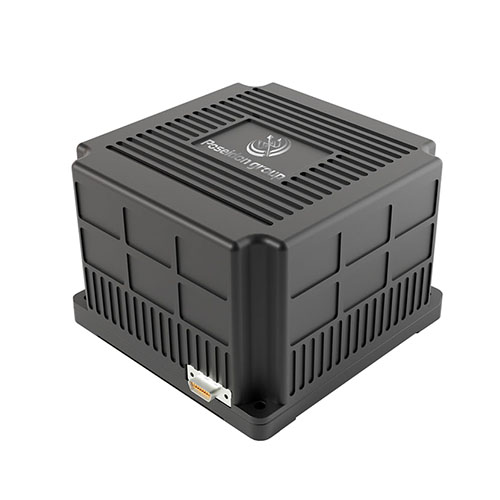 TBSD60
 BSD120
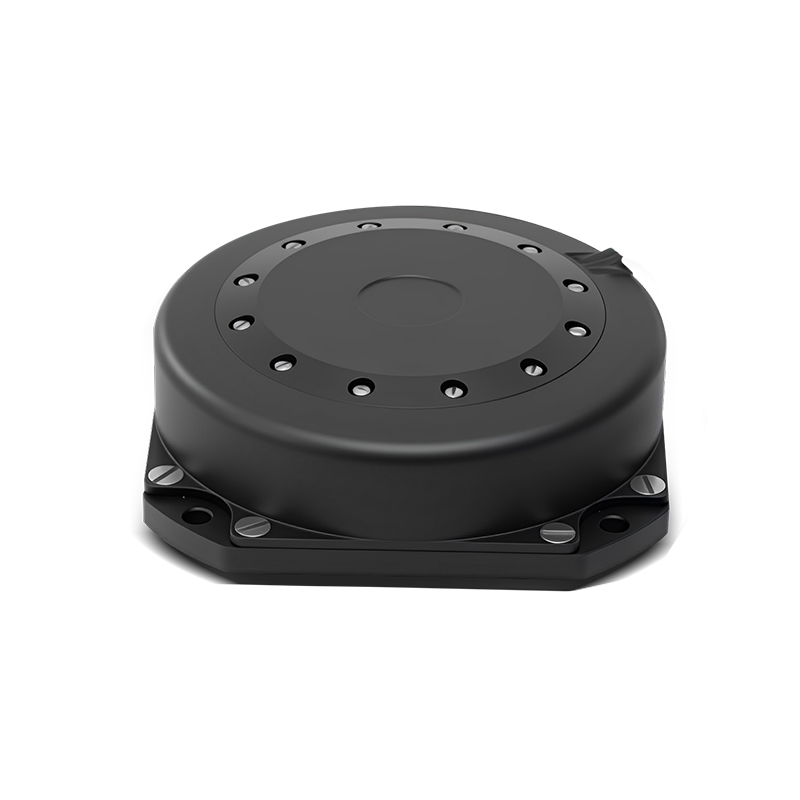 BSD98
BSD98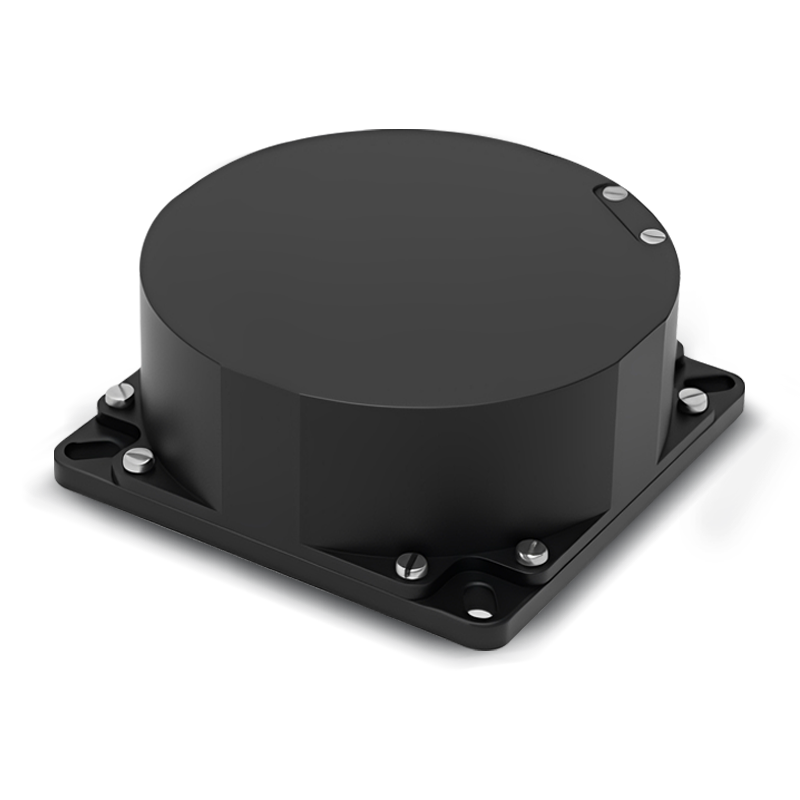 BSD70
BSD70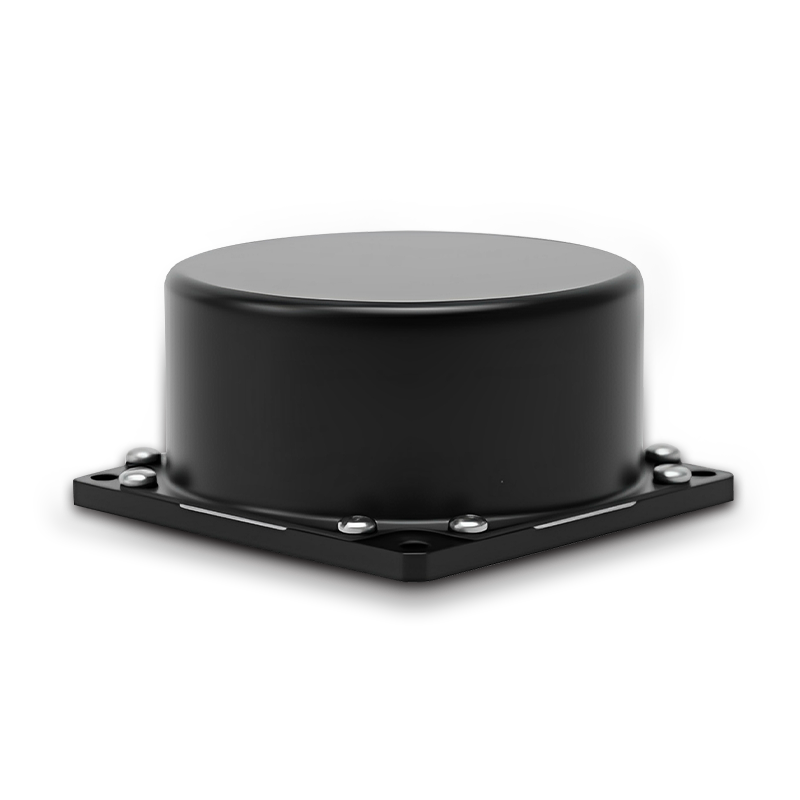 BSD60
BSD60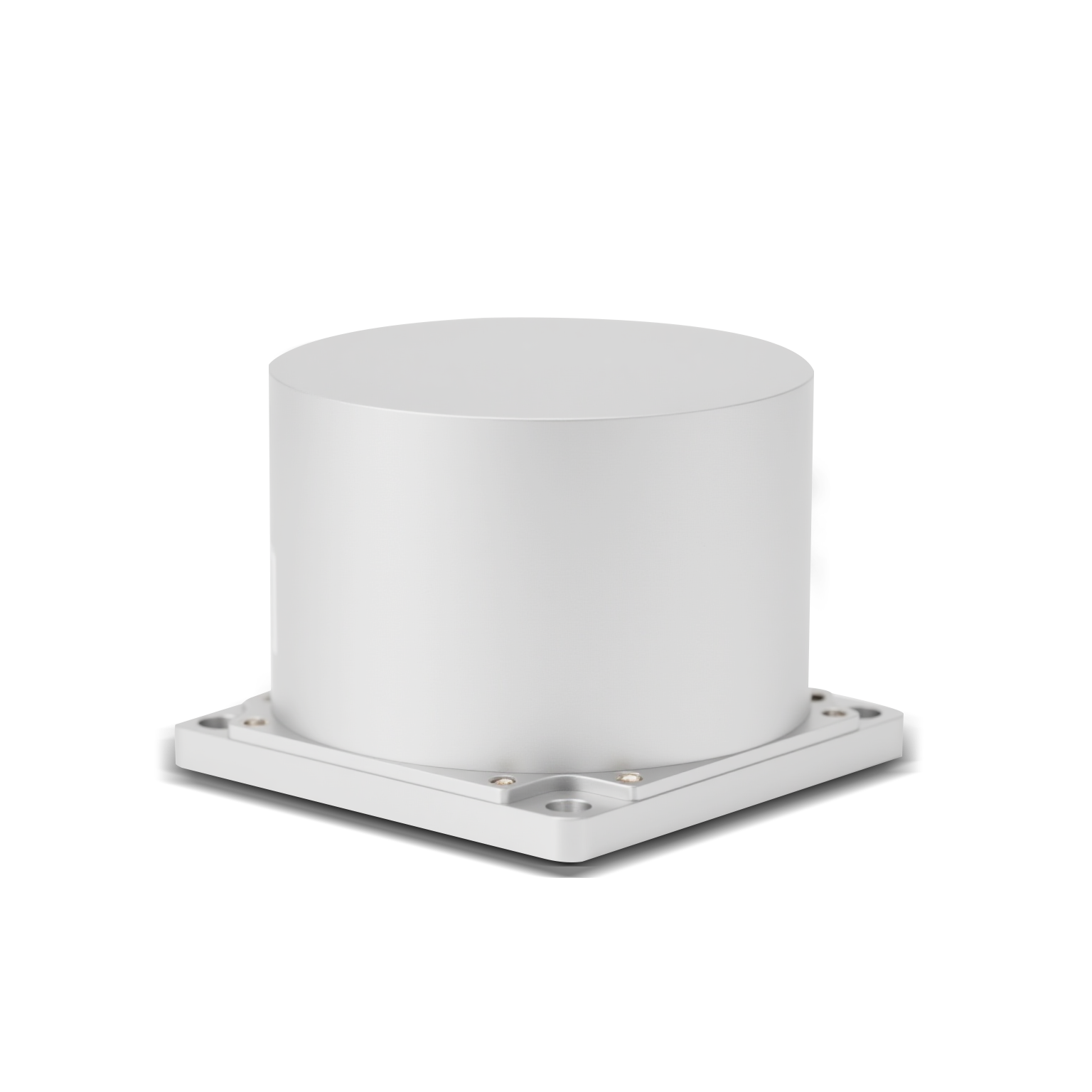 BSD50
BSD50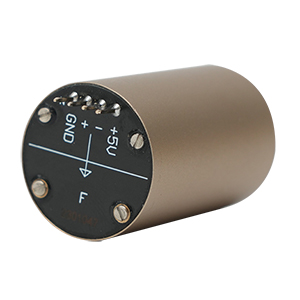 BSD217
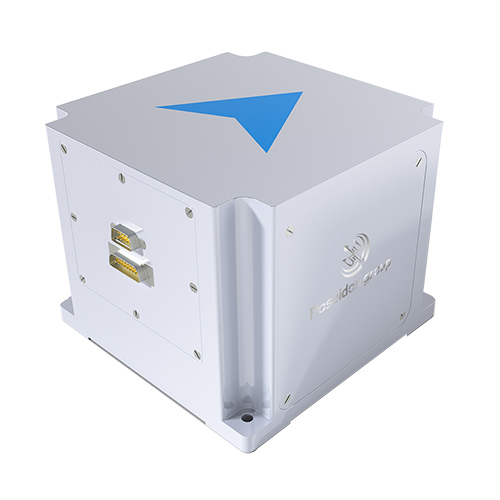 INS1700
 INS970
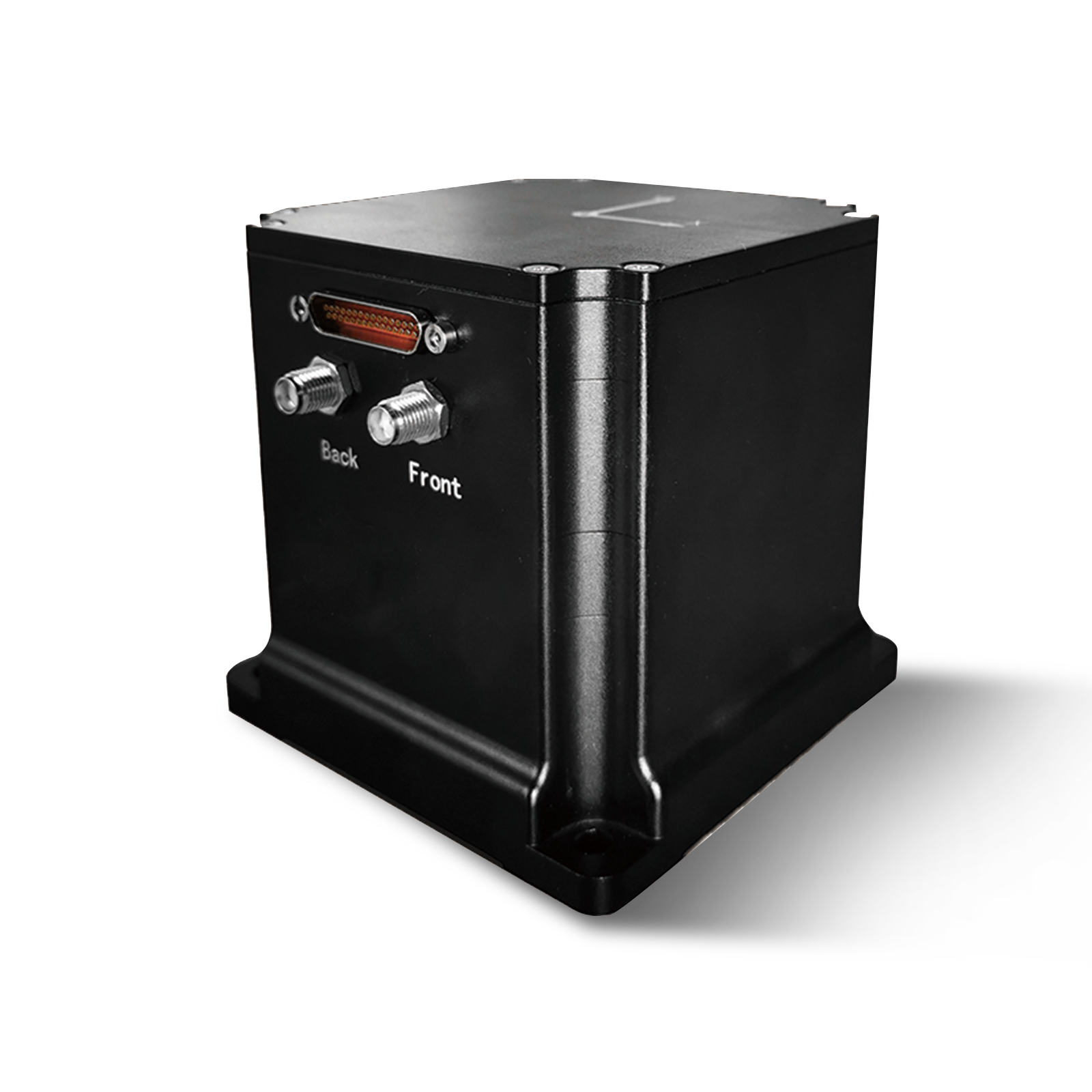 INS570
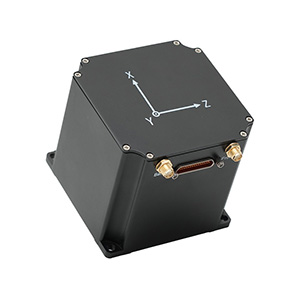 INS170
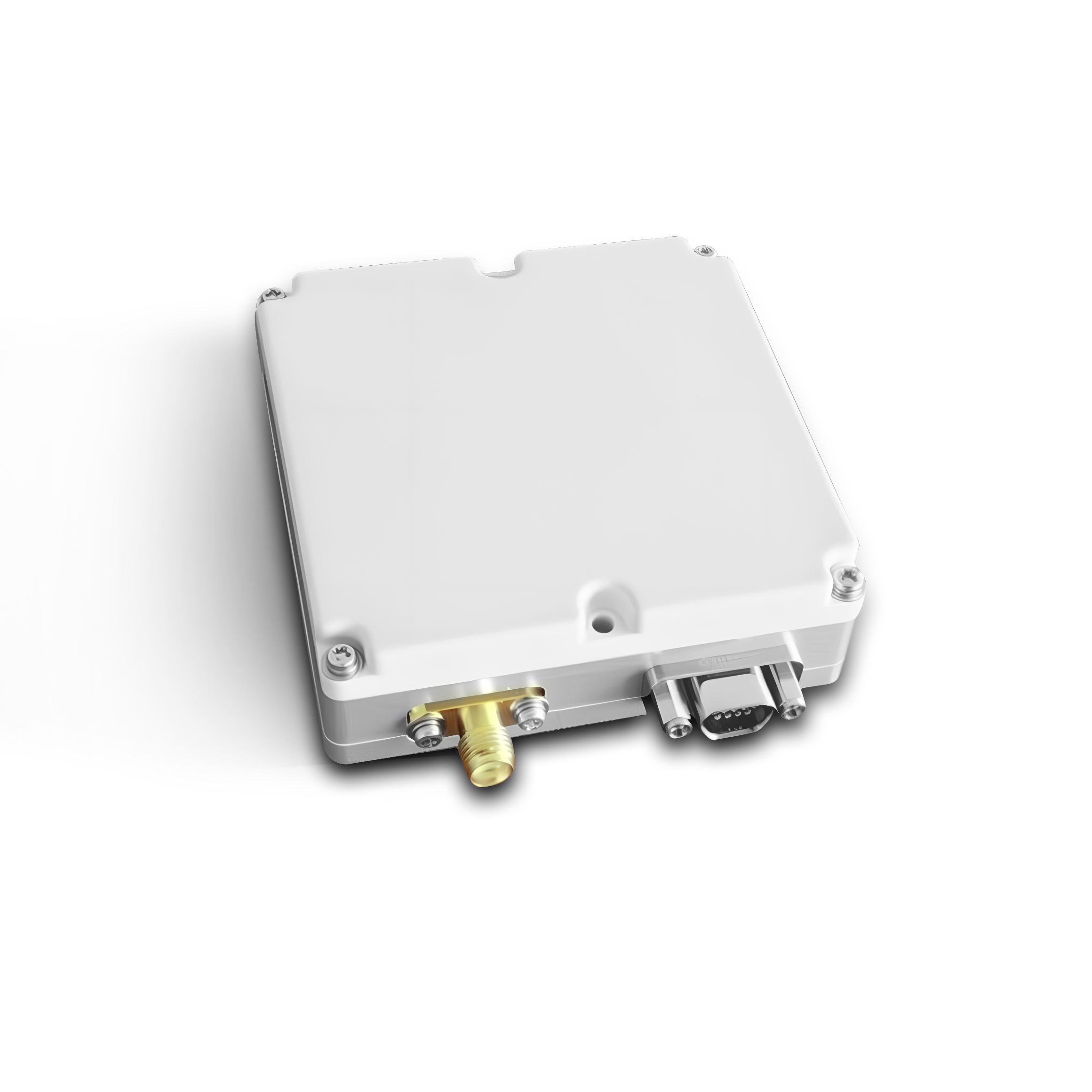 SLA-4B1L1-65
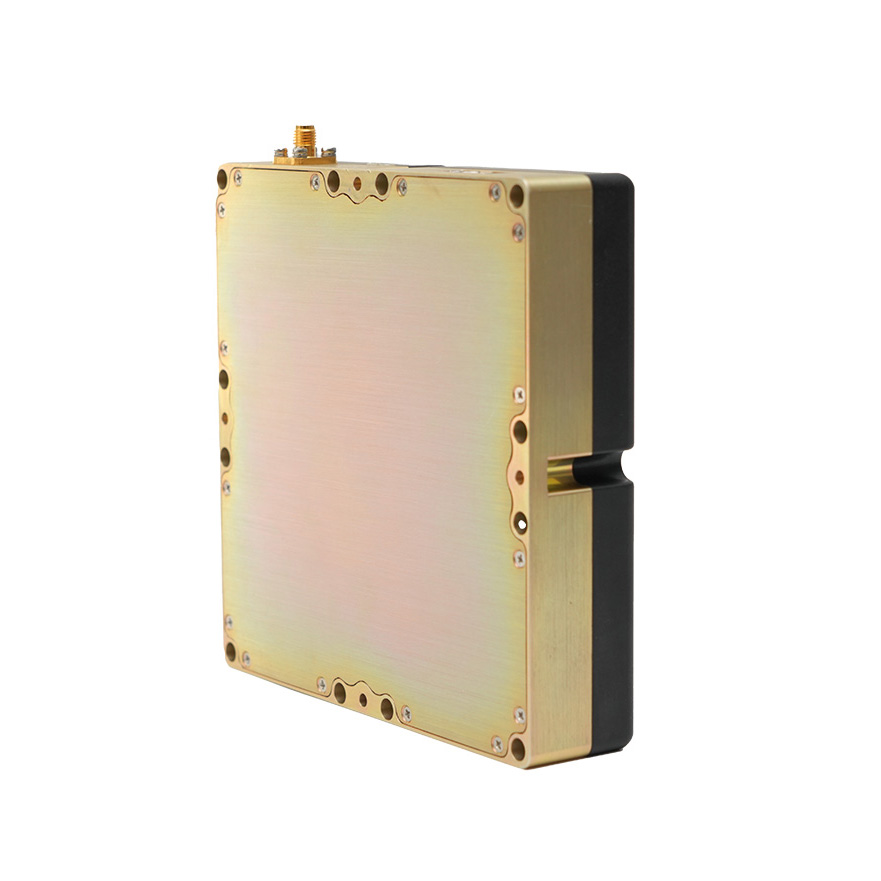 SLA-4B1L1-130
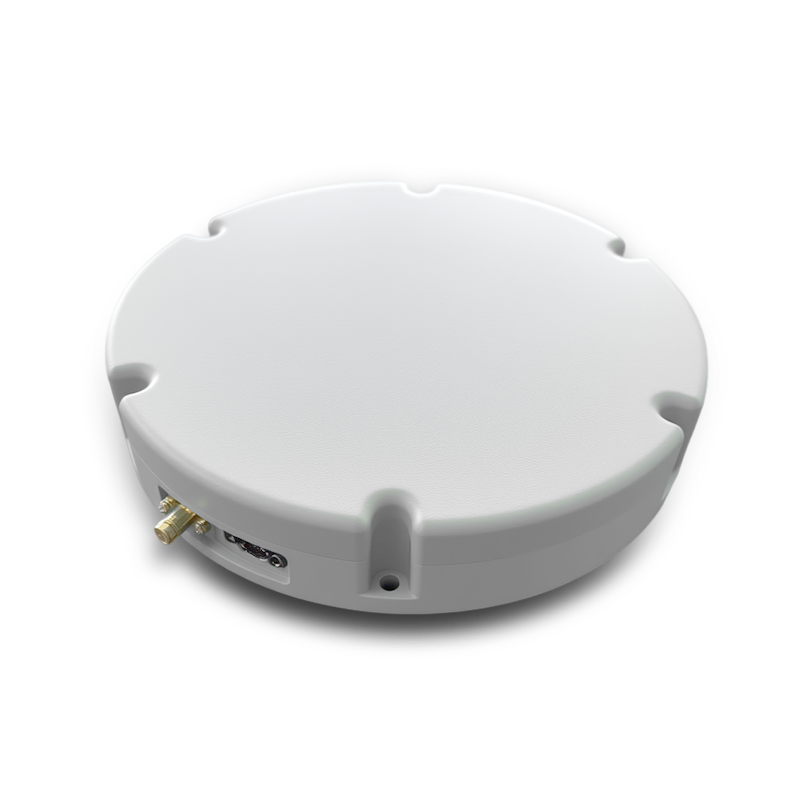 SLA-8B1L1-165
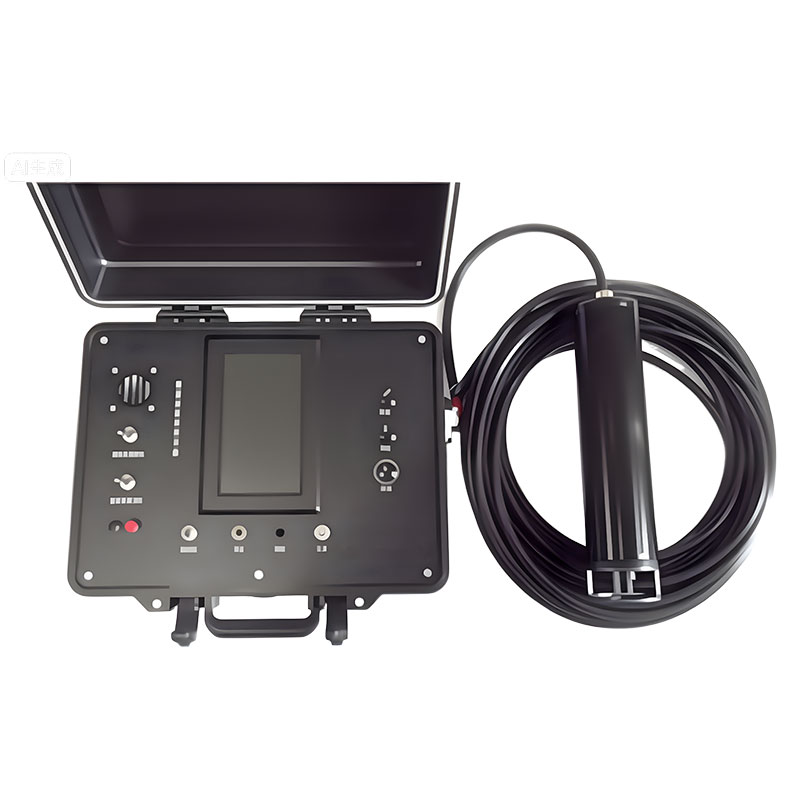 101 Vessel-mounted Positioning
 102 Acoustic Communication
 103 Tracking and Locating
 104 Diver Navigation System
 105 Intrusion Detection Sonar
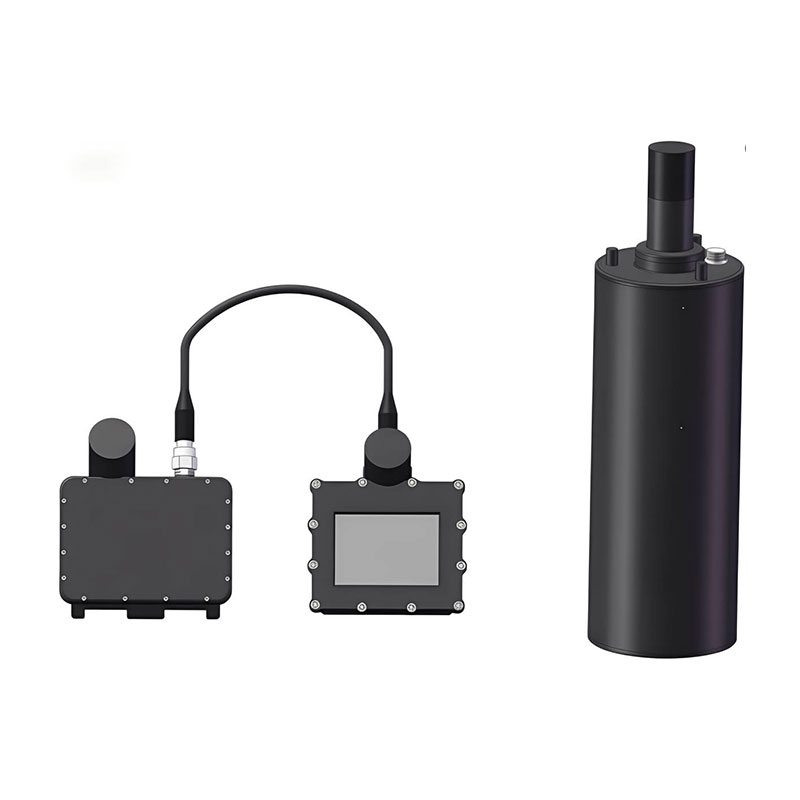 106 Delivery Locator Beacon
 SLLR3000
 SLLR905
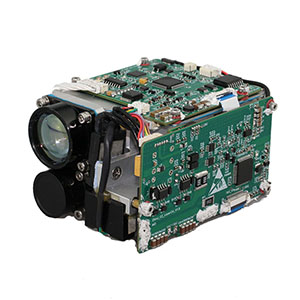 SLLD25
 160M
160M 170M
170M SLFC-70
 SLAF280
 MR360
MR360